
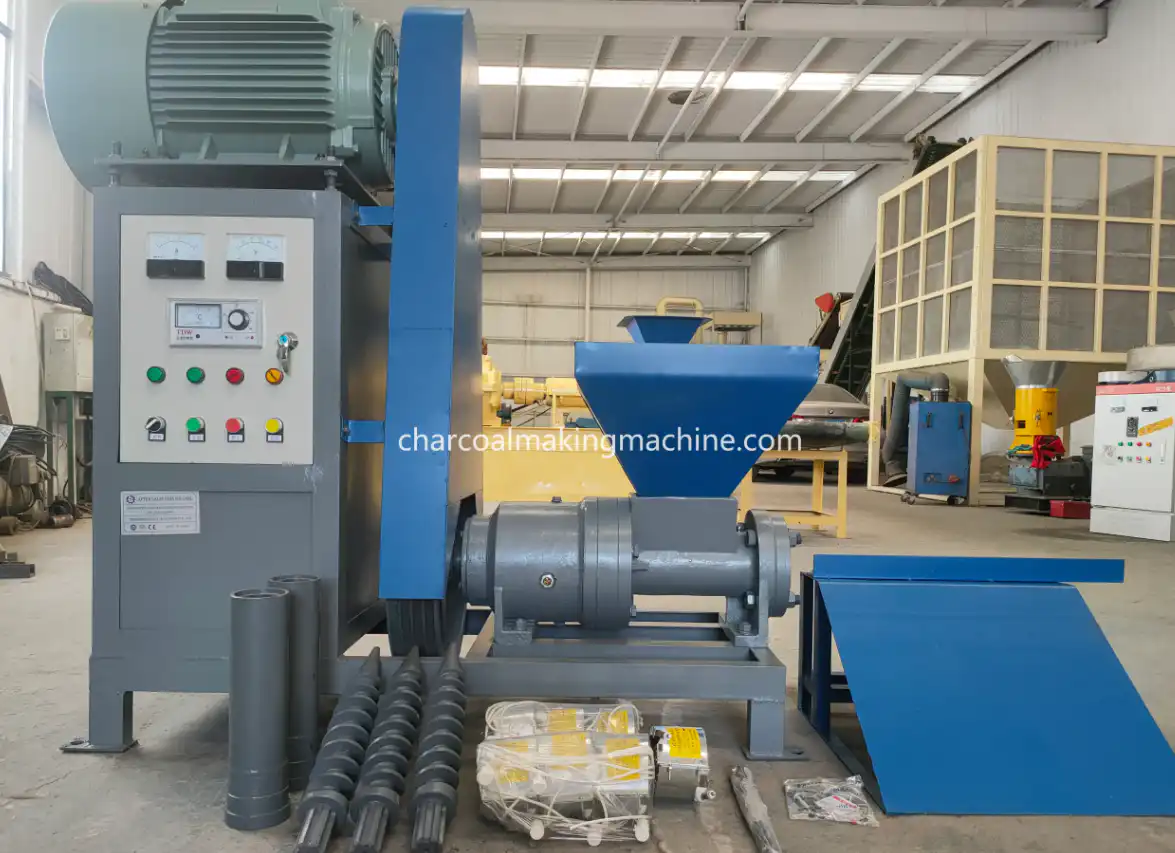
Sawdust Charcoal Production Line
What Is a Sawdust Charcoal Production Line?
A sawdust charcoal production line (also known as a biomass charcoal making line) is an integrated system that converts forestry and agricultural waste into high‑density, high‑calorific‑value charcoal products. The line consists of four core machines: a crusher, a dryer, a briquette extruder (briquetting machine), and a carbonization furnace.
The working principle is straightforward: raw materials are crushed into fine particles, dried to the optimal moisture content, then extruded under high temperature and pressure—where the natural lignin in the biomass softens and binds the material into dense briquettes. Finally, these briquettes undergo high‑temperature dry distillation in an oxygen‑limited carbonization furnace to produce smokeless, odorless, and long‑burning charcoal. This process not only recycles waste but also significantly improves combustion performance and reduces environmental pollution.
Suitable Raw Materials & Pretreatment Requirements
The sawdust charcoal production line can process a wide variety of agricultural and forestry residues, including:
Forestry Waste
- Sawdust, wood shavings, bamboo shavings, branches, etc.
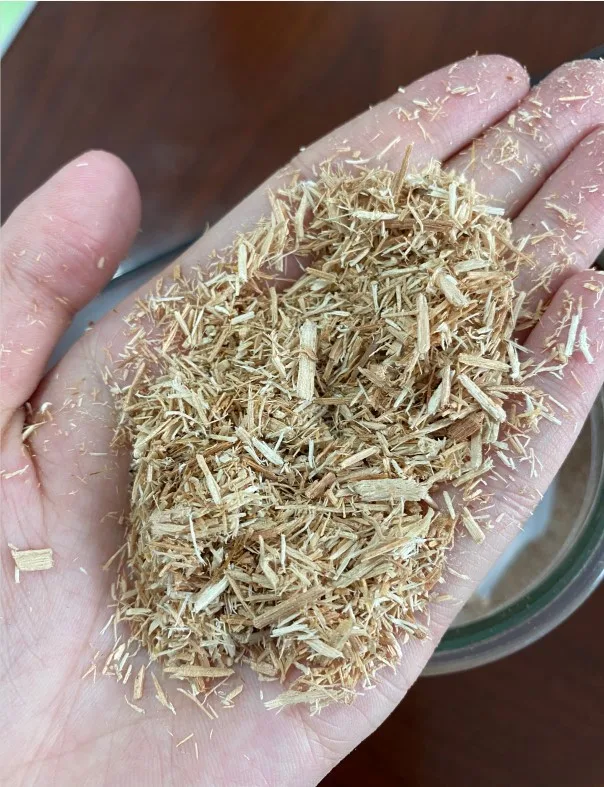
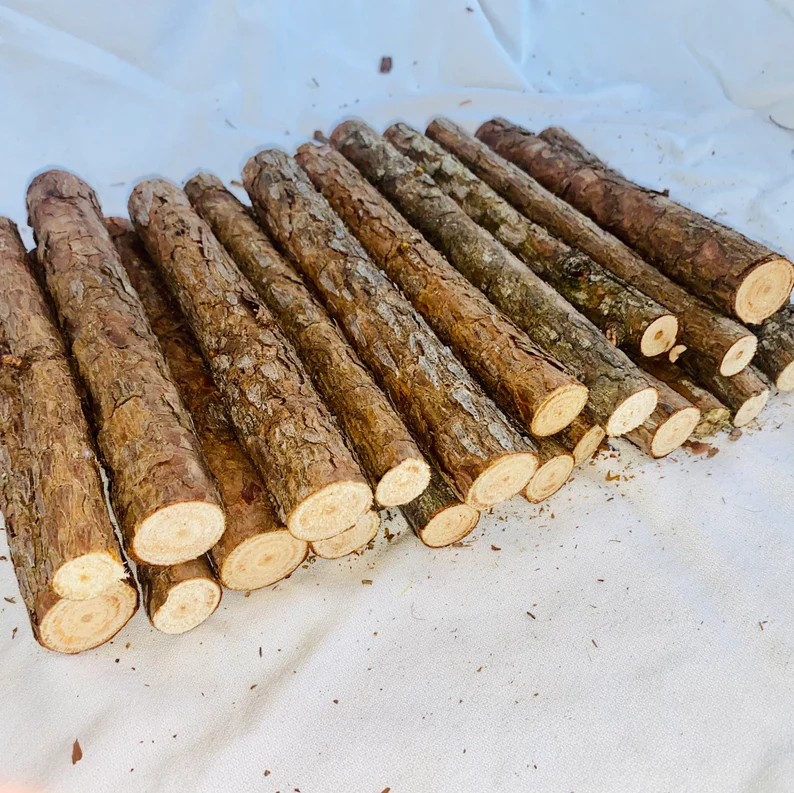

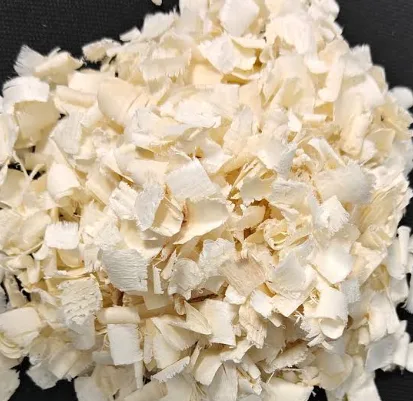
Agricultural Waste
- Rice husks, peanut shells, corn cobs, straw, sugarcane bagasse, etc.
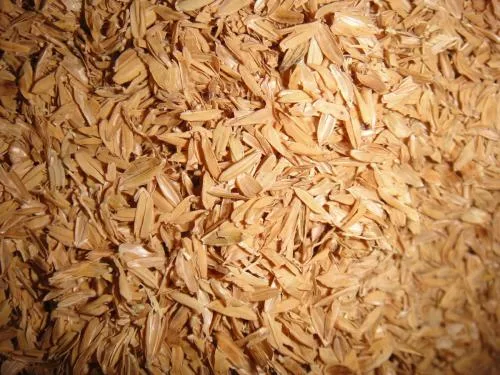
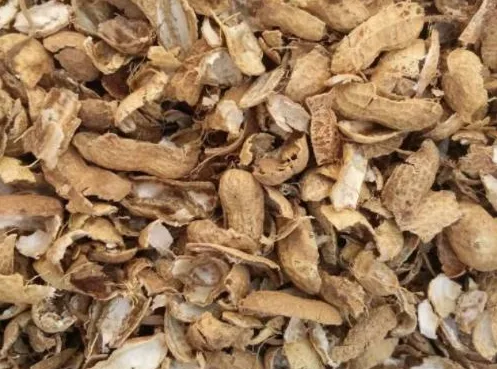
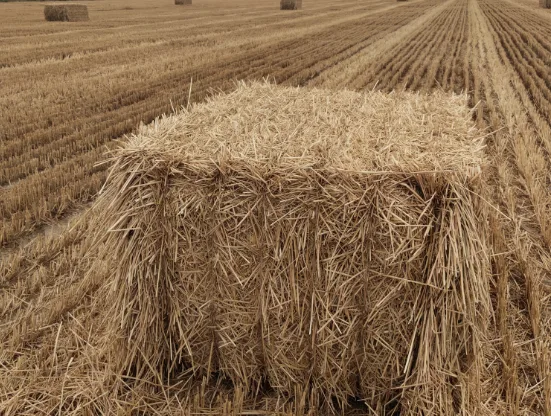
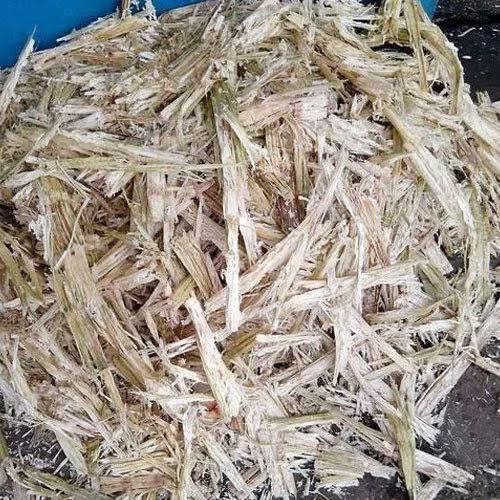
However, for successful briquetting and carbonization, the raw materials must meet two essential criteria before entering the main line:
- Particle size ≤ 3–5 mm
- Moisture content ≤ 8–10%
If the feedstock does not meet these standards, a crusher and a dryer are mandatory as pre‑treatment equipment. Failure to control particle size or moisture will lead to loose, low‑quality briquettes or even complete forming failure.
Production Process & Key Equipment Explained
The production line is divided into four sequential stages, each performed by a dedicated machine.
1. Crushing – Hammer Mill
Crushing is the first step, reducing oversized raw materials into powder smaller than 3 mm. This improves the efficiency of subsequent drying and briquetting and ensures uniform particle distribution.
Working Principle of the Hammer Mill
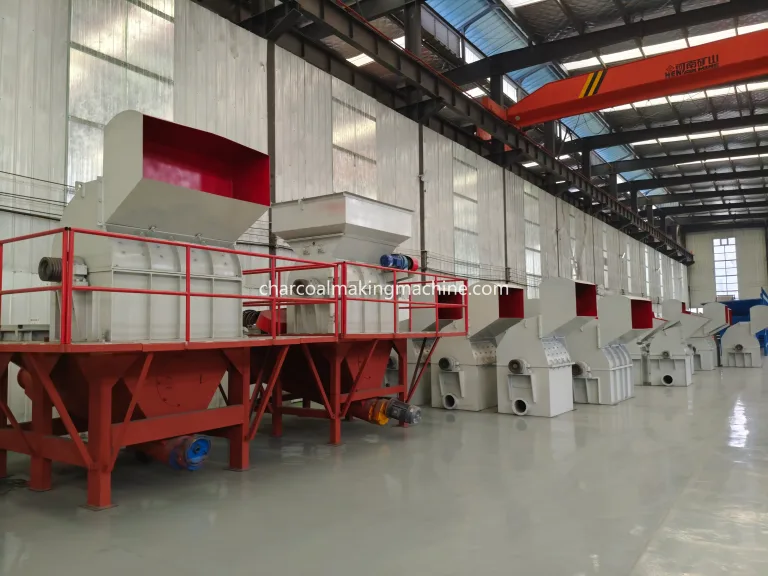
- Material is fed into the inlet.
- High‑speed rotating hammers impact the material, while friction against the screen plate further breaks it down.
- Under centrifugal force and airflow, particles small enough to pass through the screen are discharged from the bottom outlet via a blower.
2. Drying – Airflow Dryer vs. Rotary Drum Dryer
Drying is a critical pre‑treatment that adjusts the crushed material’s moisture content to the ideal range of 8%–12%. If moisture is too high, the briquettes will be loose or fail to form, compromising density and final quality.
Two main dryer types are used, depending on production scale:
Airflow Dryer (for small to medium capacities)
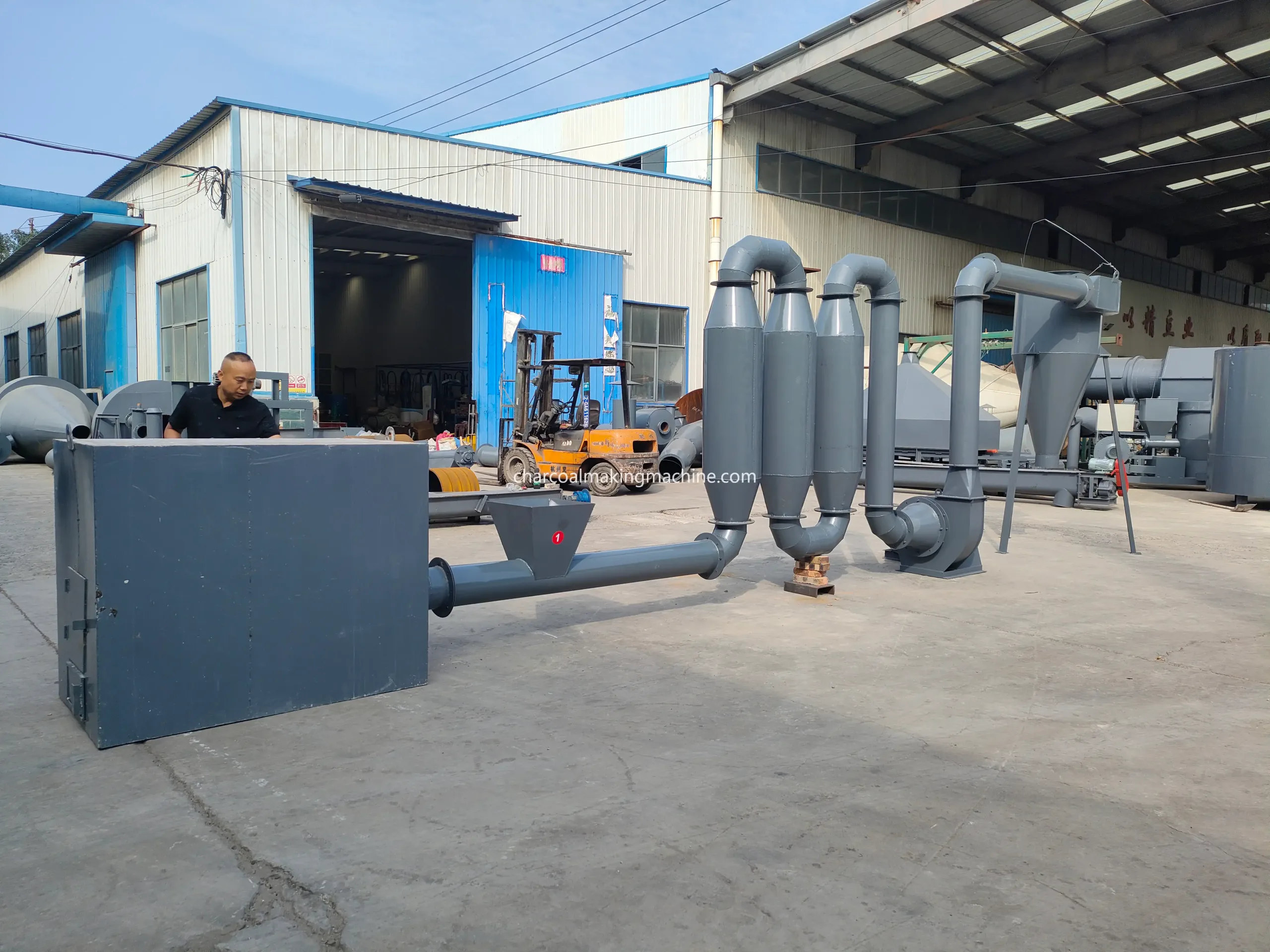
- How it works: A hot‑air furnace generates high‑temperature flue gas, which is drawn into the drying duct by an induced‑draft fan. The wet material is fed into the duct and thoroughly mixed with the hot gas stream. Moisture evaporates almost instantly from the suspended particles. A cyclone separator collects the dried material.
- Advantages: Fast drying, compact footprint, lower initial investment.
Rotary Drum Dryer (for large‑scale production)
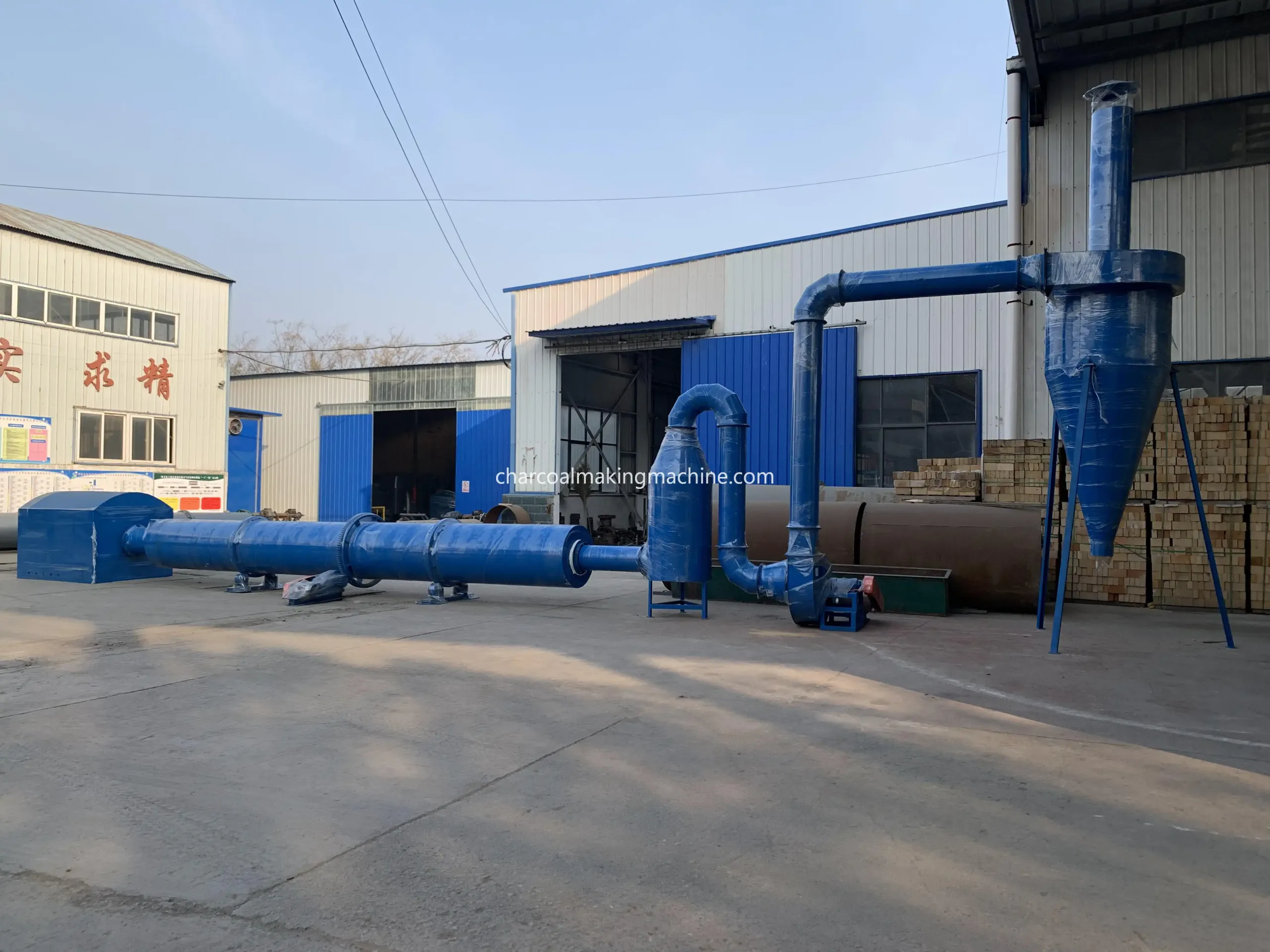
- How it works: Hot flue gas from the furnace enters the feed end of a rotating inclined drum. Wet material is fed in simultaneously. Internal lifting plates continuously raise and scatter the material, ensuring prolonged and full contact with the hot gas. The material gradually moves toward the discharge end by gravity.
- Advantages: High throughput, uniform drying, stable operation.
3. Briquette Extrusion – Biomass Briquette Press
In this step, the dried powder is extruded under high temperature (280–300°C) and high pressure into dense, regularly shaped briquettes. These briquettes are intermediate products (often called “raw sticks”) that will be carbonized later.
Working Principle of the Biomass Briquette Extruder
- The prepared powder enters the extruder.
- Inside the barrel, a screw compresses the material while frictional heat raises the temperature to 280–300°C.
- At this temperature, the lignin in the biomass softens and acts as a natural binder, bonding the surrounding fibers together.
- The material is forced through a die to form continuous sticks, which cool and solidify into high‑density, hollow or solid briquettes.
4. Carbonization – Hoisting Furnace vs. Horizontal Furnace
Carbonization is the final and most quality‑defining stage. The two mainstream furnace types differ mainly in loading/unloading methods and application scenarios.
Hoisting Carbonization Furnace (optimized for sawdust briquettes)
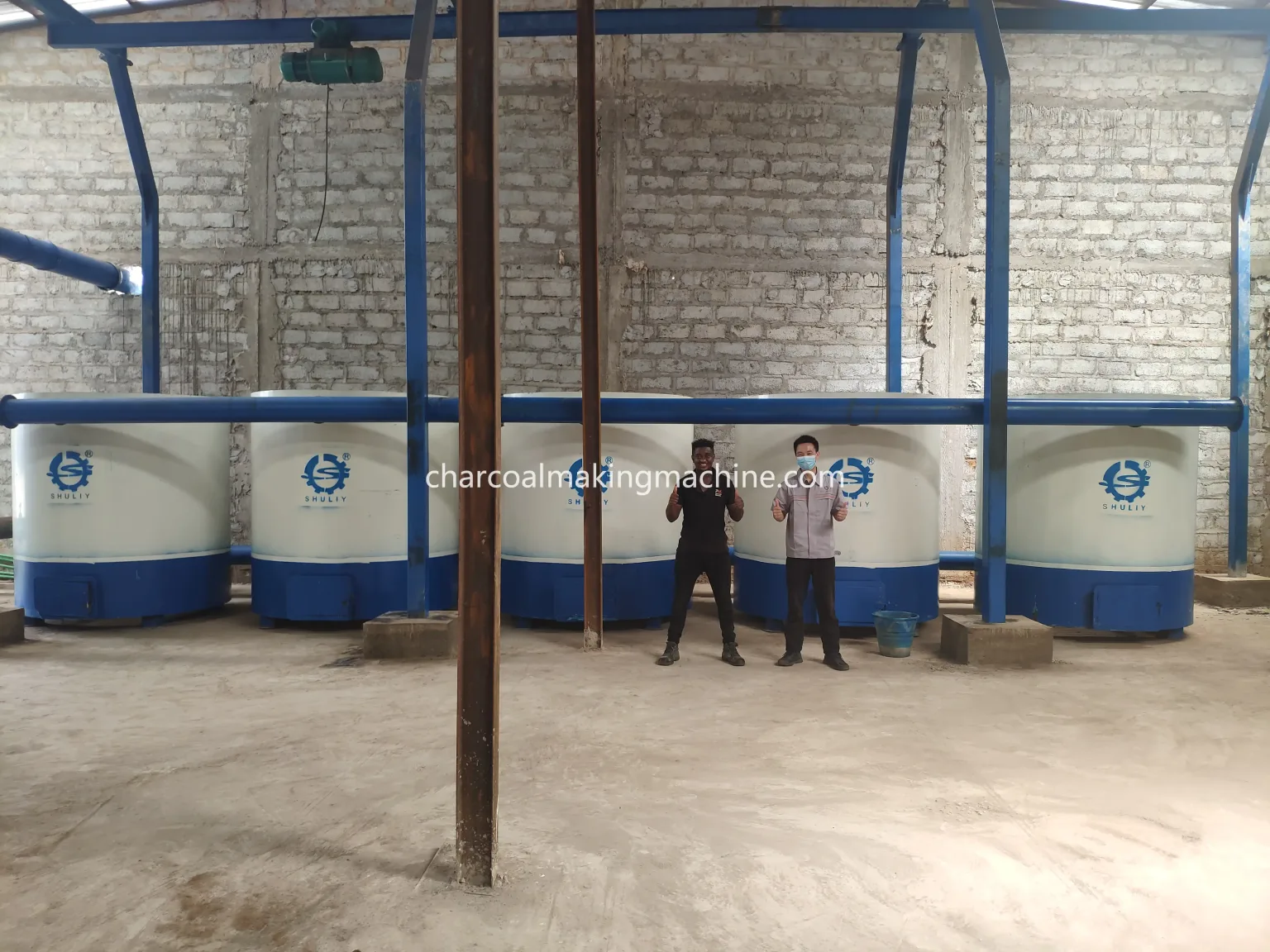
- Design: One hoisting furnace is equipped with two inner chambers, allowing alternating operation for continuous production and higher efficiency.
- Suitable materials: Specialised for sawdust briquettes, but can also handle logs, coconut shells, and walnut shells.
- Advantages: High output, good thermal efficiency, stable charcoal quality.
Horizontal Carbonization Furnace (integrated design)
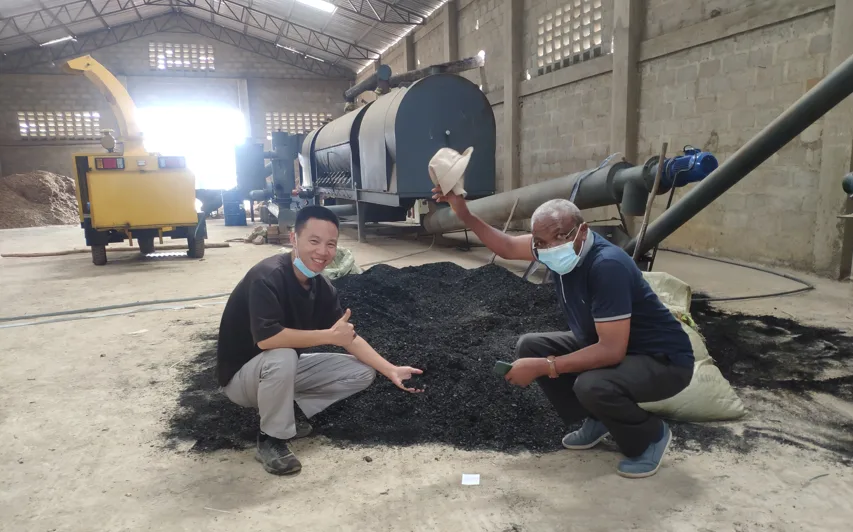
- Design: The inner and outer chambers are integrated into one unit. Various models are available to match different production capacities.
- Suitable materials: Can carbonize sawdust briquettes as well as larger, irregular materials such as logs, branches, and bamboo.
- Advantages: Simple operation, flexible loading, ideal for non‑uniform feedstocks.
Applications of Finished Charcoal
The finished charcoal produced by this line is highly valued for its smokeless, odourless, and long‑burning properties. It is widely used in:
| Application Area | Specific Uses |
|---|---|
| Catering & BBQ | Outdoor grilling, indoor fish roasts, hotpot charcoal – clean and odour‑free combustion |
| Household Heating | Winter heating stoves, fireplaces – safe and eco‑friendly |
| Industrial Sector | Supplementary boiler fuel to replace part of coal or heavy oil, reducing emissions |
| Export Markets | High‑quality charcoal is a popular commodity in the Middle East, Japan, Korea, and other regions |
Why Choose Our Sawdust Charcoal Production Line?
- Complete turnkey solutions: We offer end‑to‑end equipment selection and process design from crushing to carbonization.
- Flexible capacity options: Customised configurations for small, medium, or large production volumes based on your raw material types and annual output targets.
- Energy‑saving & eco‑friendly: Combustible gases generated during carbonisation can be recycled to fuel the dryer or furnace, significantly lowering operating costs.
- Durable construction: Critical components are made of wear‑resistant and high‑temperature materials to ensure long‑term reliability and reduced maintenance.
- Full technical support: We provide site planning, installation guidance, commissioning, operator training, and after‑sales service worldwide.
Frequently Asked Questions (FAQ)
Q1: What is the minimum processing capacity of a sawdust charcoal production line?
A: Capacity can be tailored. Small‑scale lines produce 200–300 kg per hour, while large industrial systems can process several tons per hour.
Q2: Can I skip the dryer if the raw material moisture is above 12%?
A: No. Excess moisture prevents lignin from softening and binding properly, resulting in cracked, loose, or unformed briquettes that fail to carbonise into quality charcoal.
Q3: How is the smoke from the carbonisation furnace handled?
A: The combustible gases (e.g., wood gas) produced during carbonisation are captured and can be piped back as fuel for the dryer or the furnace itself. This closed‑loop design meets environmental standards and reduces energy costs.
Q4: How many operators are needed for the line?
A: Modern lines are equipped with automated control systems. Typically, only 2–4 workers per shift are required for feeding, monitoring, and discharging.
Q5: Do you offer overseas installation services?
A: Yes. We have extensive export experience and can send skilled engineers to your site for installation supervision and training.
Contact Us for a Customised Solution
Interested in setting up a sawdust charcoal production line? Contact us today. We will provide a free process design and accurate equipment quotation based on your raw materials, site conditions, and capacity needs. Let us help you turn waste into profitable, eco‑friendly fuel products.