
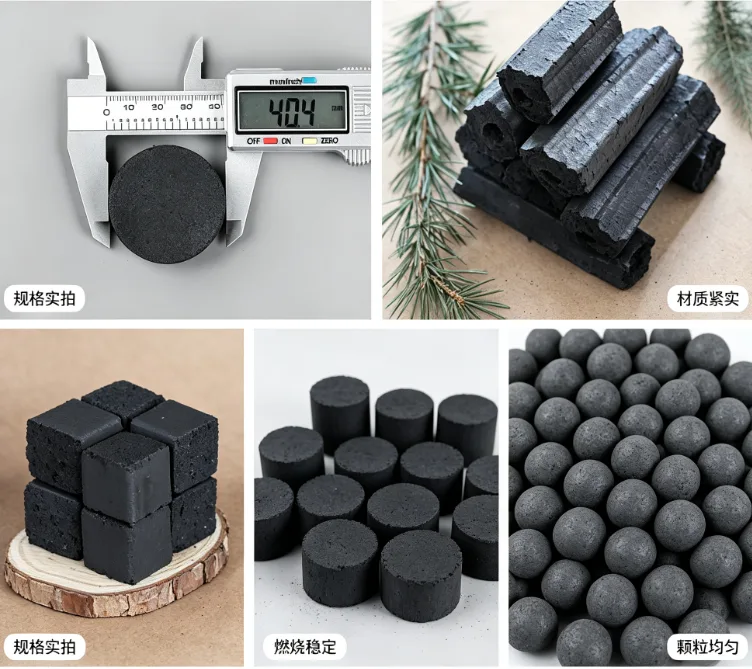
How to Make Barbecue Charcoal: A Complete Guide from Raw Materials to Finished Product
With the global rise of barbecue culture, the demand for high-quality barbecue charcoal continues to grow. For many investors and entrepreneurs, entering the charcoal production industry is a highly lucrative opportunity. But how exactly is barbecue charcoal made? Understanding this is not only the first step for beginners but also the key to ensuring top-notch product quality.
This article breaks down the entire process, from raw material selection and production techniques to the core equipment—the charcoal making machine, helping you quickly grasp the essentials of this industry.
Choosing Raw Materials for Barbecue Charcoal
There are various raw materials for making charcoal, which can be broadly categorized into three types:
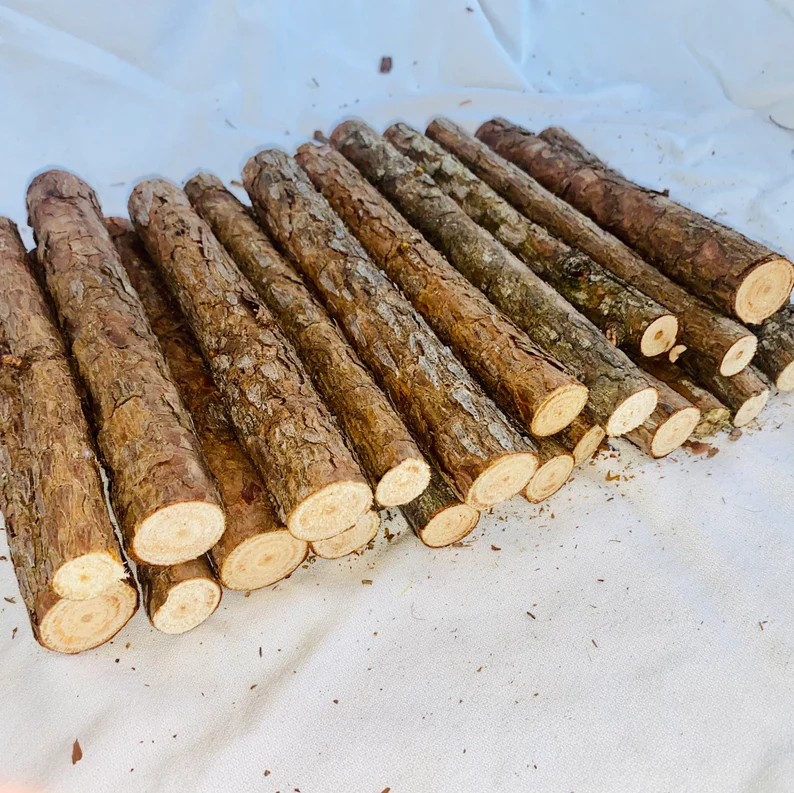
- Wood: This is the most common raw material, including hardwood, mixed wood, and fruitwood. Charcoal made directly from these woods contains no additives, retaining the natural shape and aroma of the wood. Examples include longan wood charcoal, lychee wood charcoal, and binchotan.
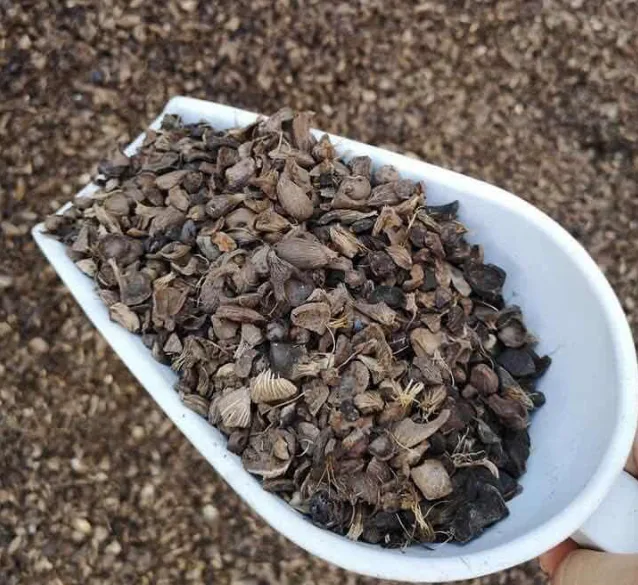
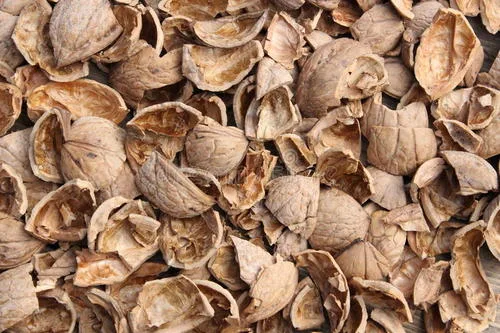
- Fruit Shells and Nuts: Common options include coconut shells, olive pits, walnut shells, and jujube seeds. Charcoal made from these materials emits a unique fruity aroma when burned, enhancing the flavor of barbecued food.
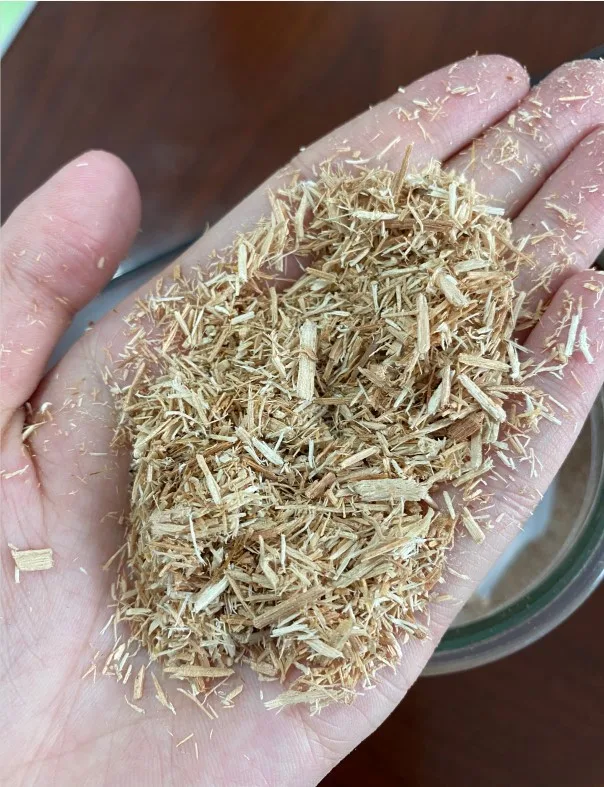
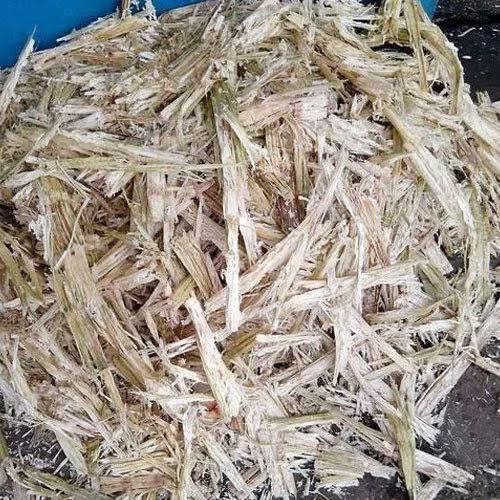
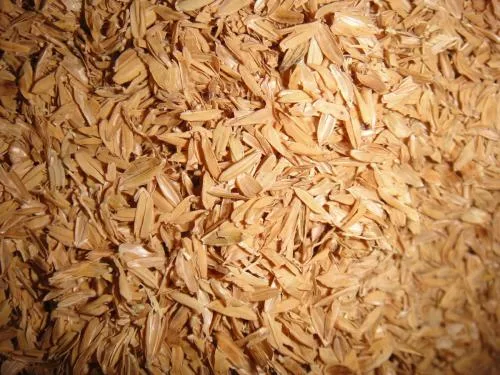
- Wood Waste: Materials like sawdust, wood shavings, bamboo dust, and rice husks are typically used to produce briquettes or mechanism charcoal, offering an eco-friendly way to recycle resources.
arbecue Charcoal Production Process
The production process varies depending on the raw materials and the target product.
1. Production Process for Barbecue Charcoal
The production of charcoal is relatively simple, with carbonization being the core step.
- Key Points:
- Moisture Control: The moisture content of raw materials should ideally be below 30%; the drier, the better. This effectively reduces the drying time during carbonization and lowers fuel consumption.
- Optimized Carbonization: Appropriately extending the carbonization time and raising the temperature can significantly enhance charcoal quality.
2. Production Process for Mechanism Briquettes
The production of mechanism briquettes is more complex and follows two distinct paths based on raw material characteristics:
- Path 1: For materials that can be carbonized directly (e.g., wood blocks, coconut shells)
- Carbonize the wood or fruit shells into charcoal.
- Use a crusher to grind the charcoal blocks into fine charcoal powder.
- Mix the charcoal powder evenly with water and binders in a mixer.
- Use a charcoal making machine (briquette extruder) to press the mixture into shape.
- Path 2: For materials that cannot be carbonized directly (e.g., sawdust, wood shavings)
- Crush large wood waste into sawdust smaller than 5mm.
- Dry the sawdust to ensure a moisture content below 12%.
- Use a briquetting machine to compress the sawdust into raw sticks.
- Carbonize the raw sticks in a carbonization furnace to produce the final charcoal.
⚙️ Core Equipment: The Charcoal Making Machine
A complete production line relies on professional equipment. Here are the key machines involved:
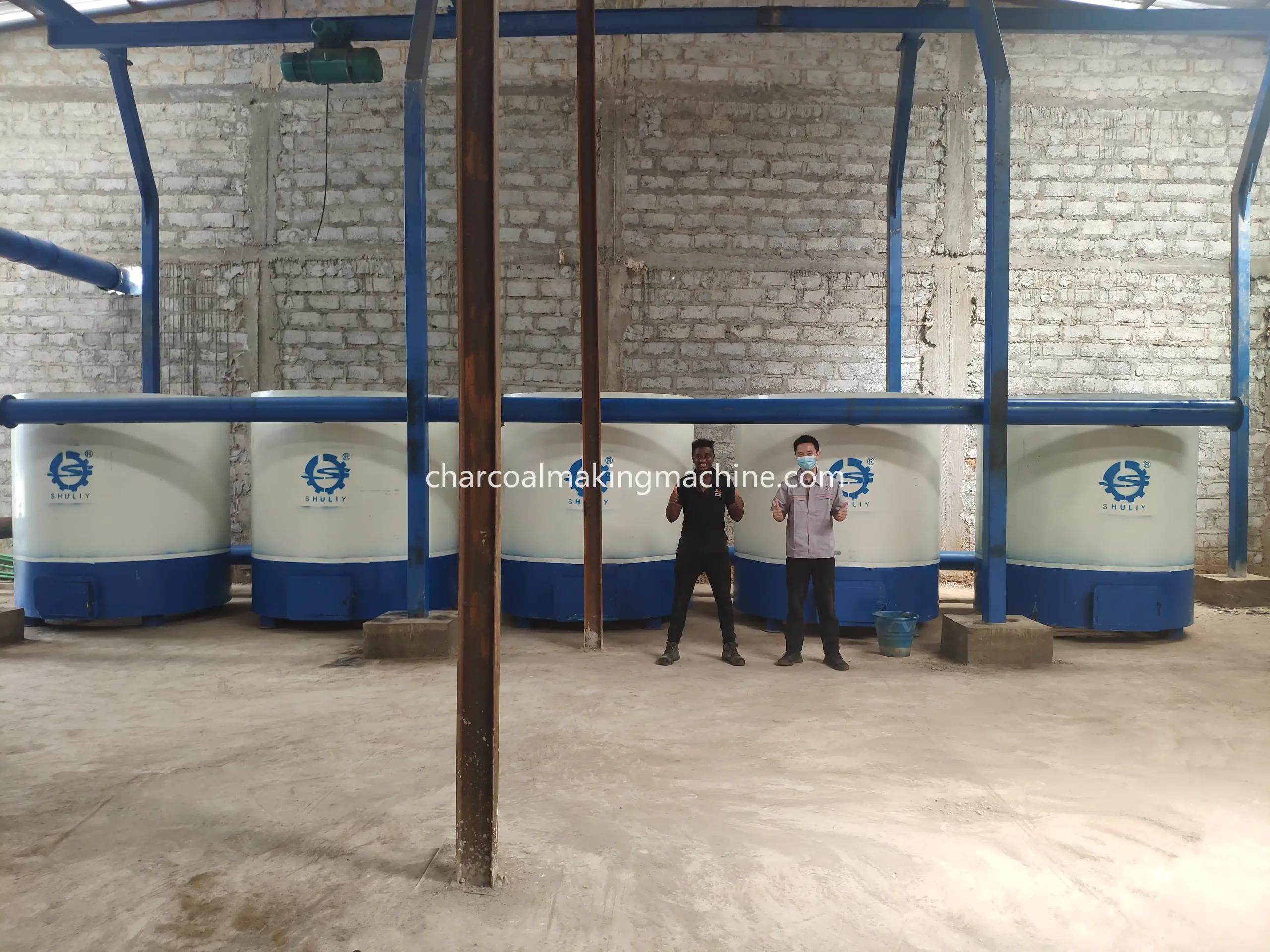
- Carbonization Furnace: Whether producing charcoal or mechanism charcoal, this is the core equipment. It comes in vertical and horizontal models; vertical furnaces have a wider range of applications, while horizontal furnaces are better suited for long materials.

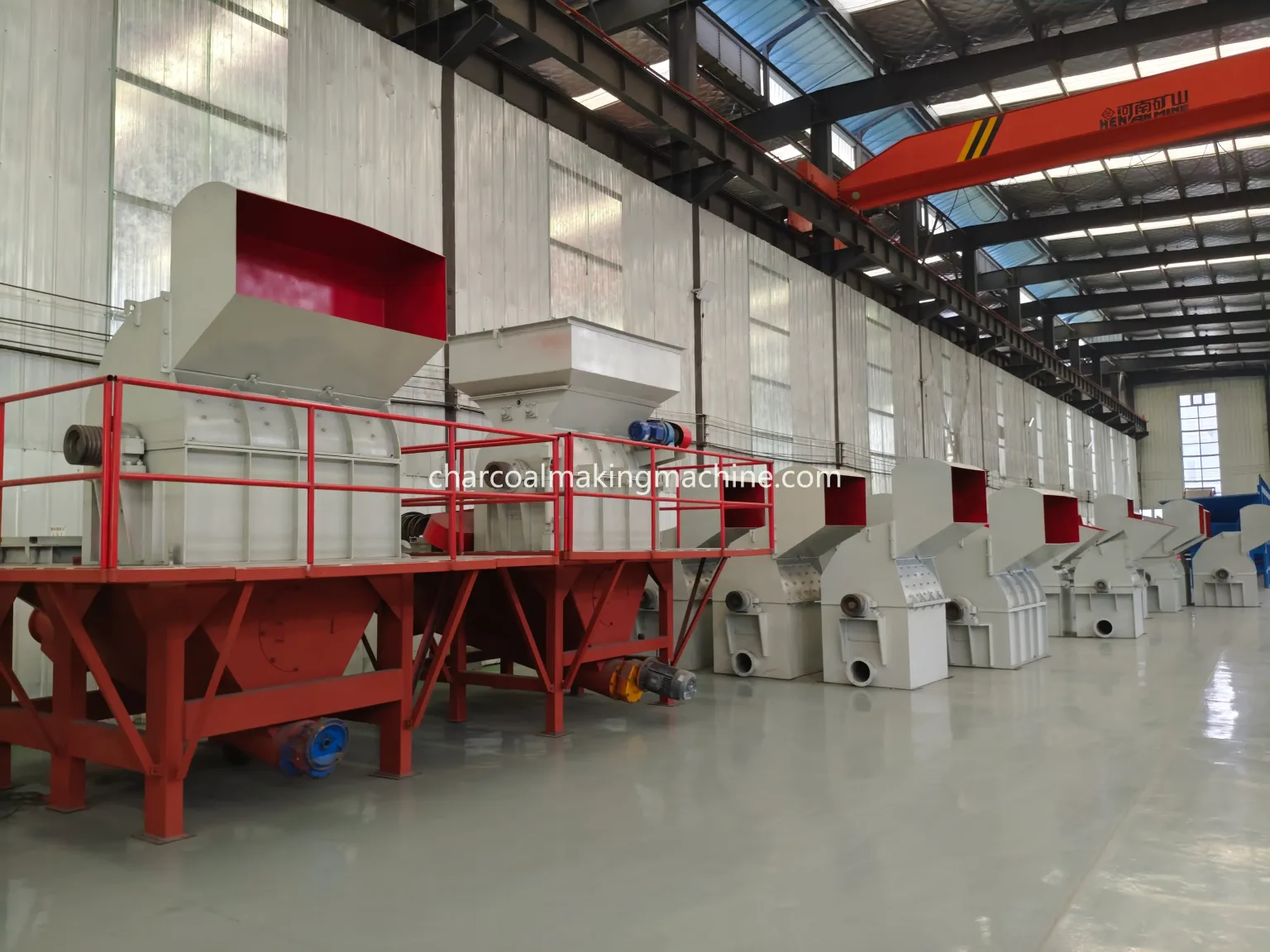
- Charcoal Crusher: An auxiliary machine in mechanism charcoal production, used to efficiently grind carbonized charcoal blocks into uniform powder.
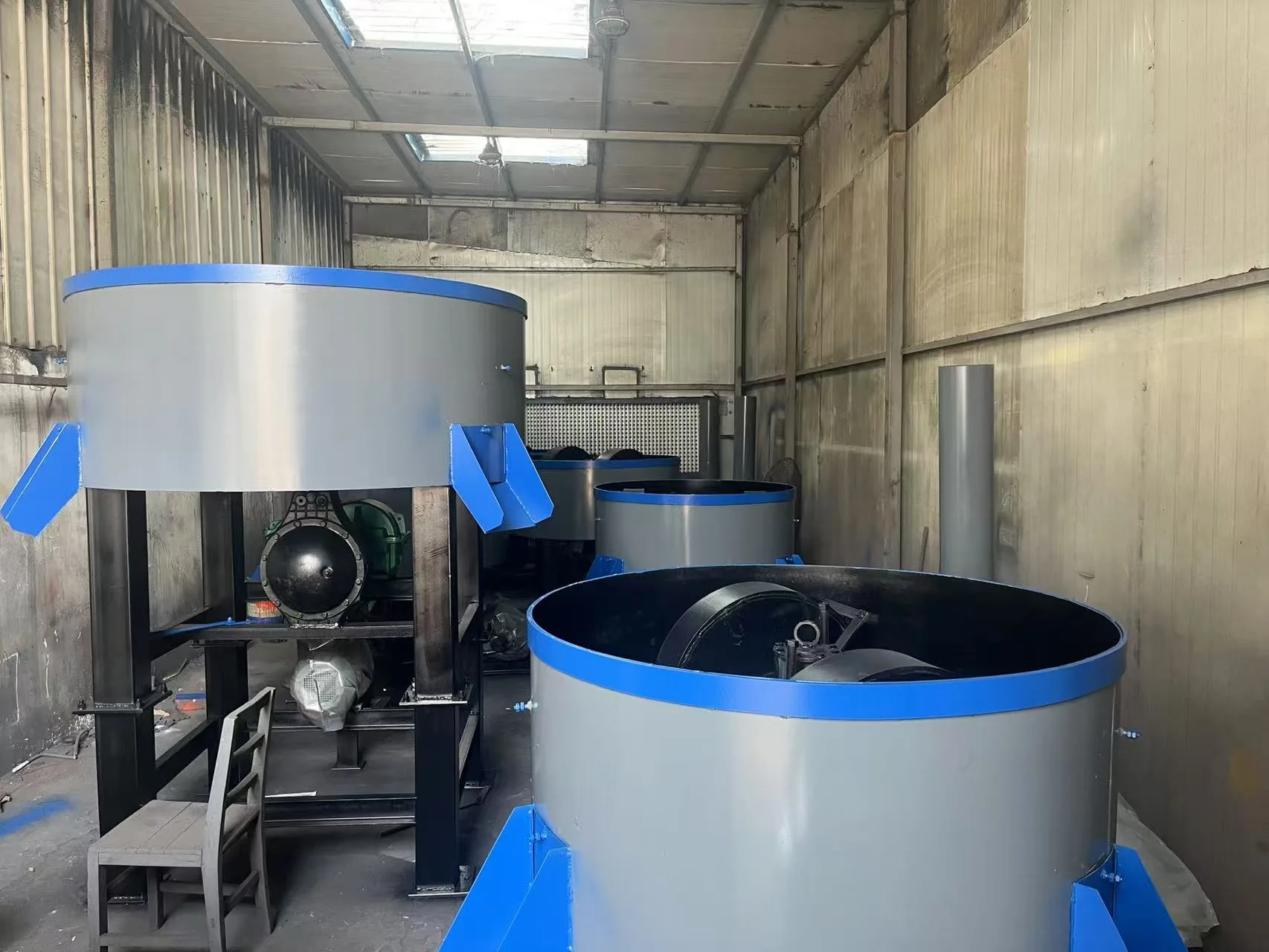
- Charcoal Powder Mixer: Ensures that charcoal powder, water, and binders are thoroughly blended for consistent briquette quality.
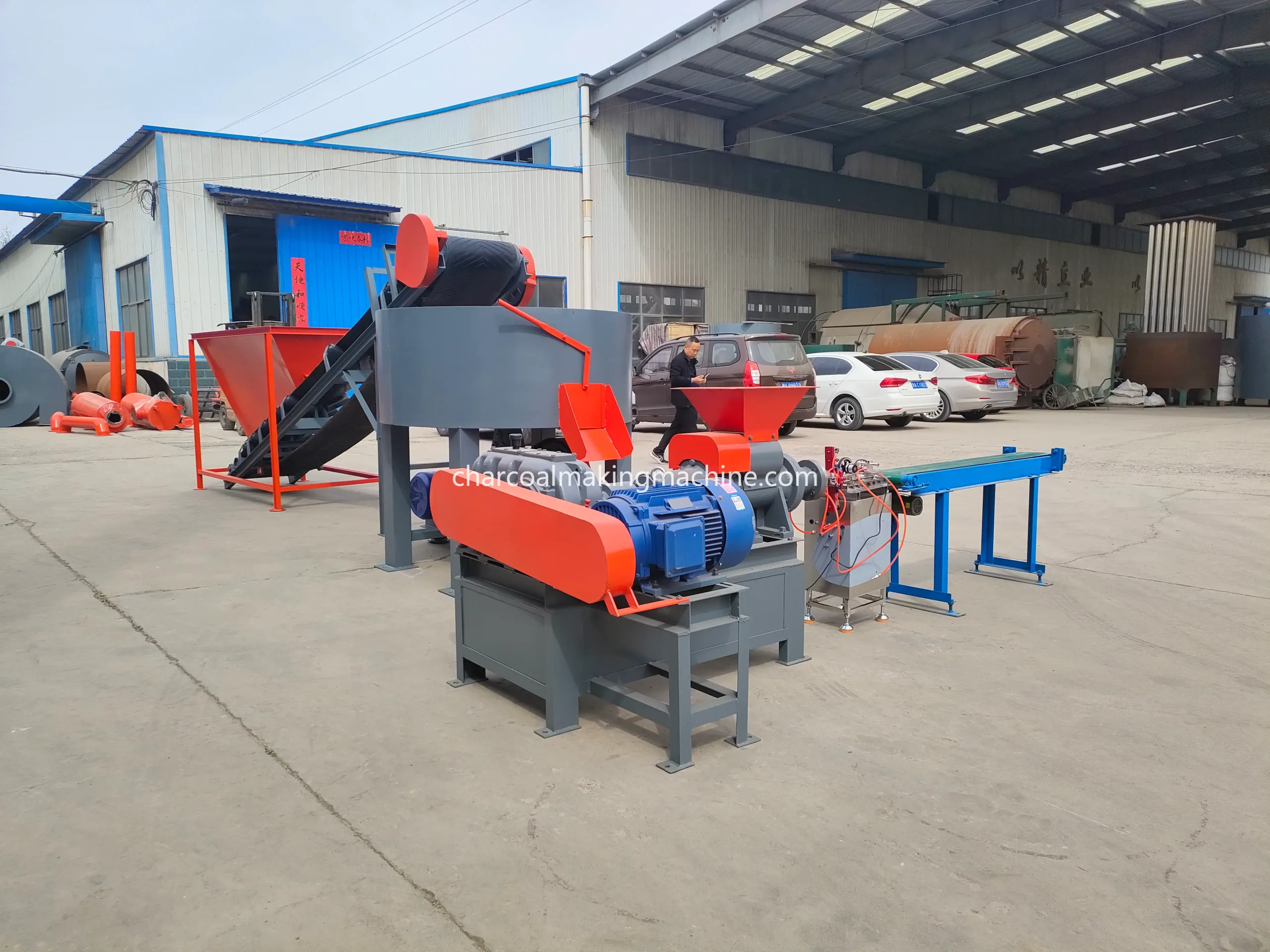
- Briquette Extruder: The “heart” of the mechanism charcoal production line, responsible for extruding the mixed materials into various shapes (square, round, hexagonal, etc.).
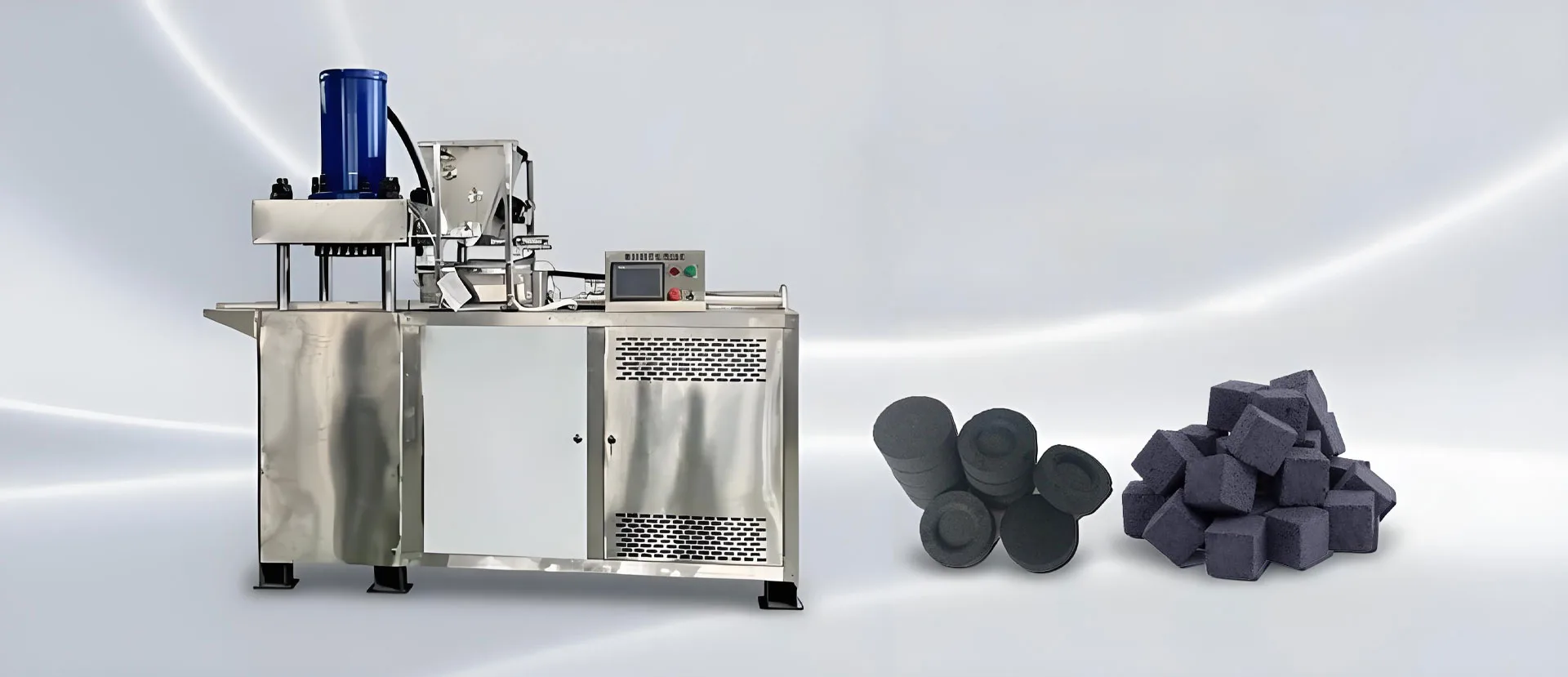
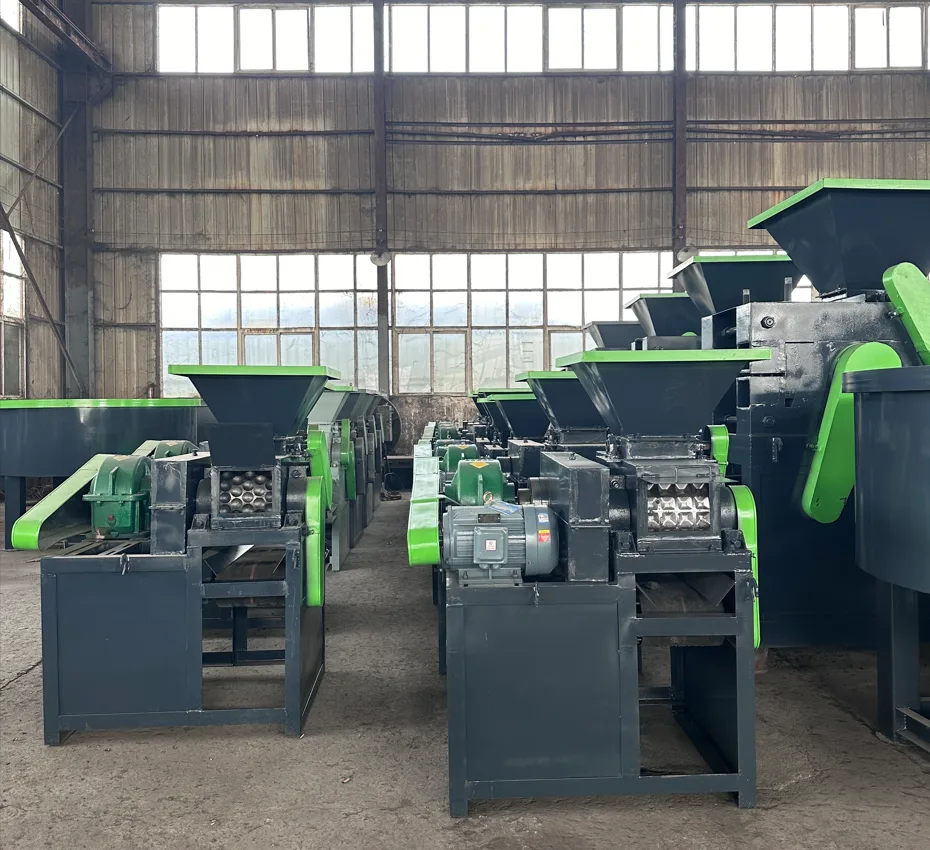
By understanding the above information, you should now have a clear picture of how to make barbecue charcoal. From selecting the right raw materials to configuring a professional charcoal making machine, every step is crucial in determining the market competitiveness of your final product.